HPV
Diagnosis and treatment of HPV-related conditions, including genital warts caused by the papillomavirus.
What Is HPV and How Is It Performed?
What Is HPV and How Is It Treated?
HPV or Human Papillomavirus, which has more than 200 types in nature, can cause warts in any part of the body. Of these, 40 cause genital warts. The types that cause the most warts are HPV 6 and HPV 11. However, these HPV types do not cause cancer. Genital warts caused by some varieties can be transmitted sexually and can be seen in both men and women. Genital warts, also called condylomata, can appear on the vulva, vagina, penis, scrotum, anus, or groin area. The virus can sometimes be transmitted outside of sexual contact. Although there are no visible genital warts physically, contact of hpv infected skin to the genital area is sufficient for the virus to be transmitted. After being infected with HPV, it can remain silent in the body for many years and does not cause genital warts in everyone. In many people, HPV is neutralized by the body's defense system. After being infected, warts may appear several months or years later. During this period, the person becomes a carrier and can transmit the disease to others. We are often faced with the question of whether genital warts cause cancer. While some HPV viruses cause cervical cancer (cervical cancer), some types cause genital warts. Condyloma is not a dangerous disease, it can be treated. Unfortunately, the HPV virus that infects the body stays in that body for life. If the person's immune system is strong, it keeps the virus under control.What are the Symptoms of Genital Warts?
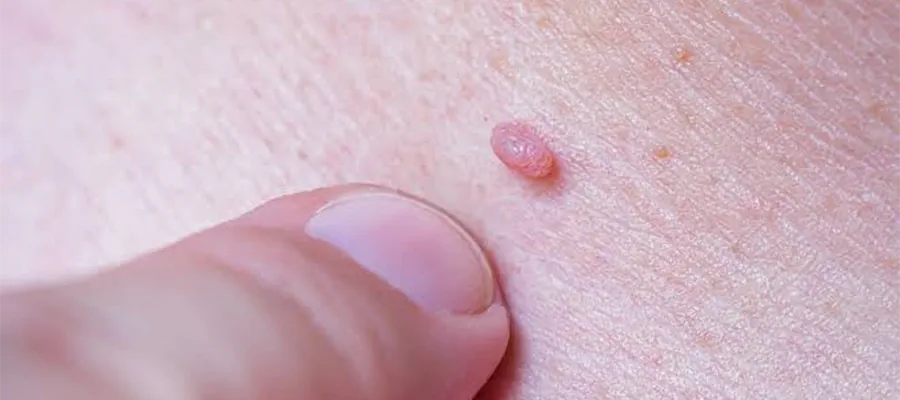
Genital warts are small, light or dark brown bumps that do not show symptoms, and sometimes they are just spots. The symptoms of genital warts generally appear as follows. It usually appears as skin-colored lesions that are raised from the skin in the genital area. As it can be seen alone, sometimes there may be cauliflower-like bumps, especially in people with a low immune system. Warts are sometimes thought to be flesh-me-nots or not noticed at all. Although rare, itching in the genital area and bleeding during intercourse are among the symptoms of genital warts.What Causes Genital Warts (Condyloma)?
Although genital warts are not visible, contact of HPV-infected skin to the genital area is sufficient for the virus to be transmitted. There are various risk factors for genital warts, which are almost always sexually transmitted. The most important risk factor is polygamy.- Unprotected sex with multiple partners
- Having another sexually transmitted infection.
- Starting a sexual life at a young age
- Risk increases if there is another disease that weakens immunity
Condyloma Symptoms?
Genital warts in men are manifested by the presence of visible warts. Warts can appear on the penis, scrotum, or groin area. Condyloma symptoms in women may differ according to the regions where the virus is located. If it settles on the skin, puffiness and cauliflower appearance may occur. Some redness and changes in the cervix can be considered as genital wart symptoms.How Are Genital Warts Transmitted?
Condyloma is usually transmitted by sexual contact. HPV can also be transmitted by skin contact in the genital area that the condom does not cover during sexual intercourse. In order for it to be transmitted, the virus in the carrier must be active, even if the warts are not visible at that time. The contact of HPV-infected skin to the genital area is sufficient for the virus to be transmitted. After being infected with HPV, it can remain silent in the body for many years and does not cause genital warts in everyone. After infection, warts may appear several months or years later. During this period, the person becomes a carrier and can transmit the disease to others. It is not possible to determine from which partner the genital warts are transmitted and how long the virus has been in the body.Take precautions
The common measure to be taken for condyloma in women or men is monogamy. The use of barrier systems during intercourse can also be considered a precaution, but it is not very effective. For example, even if condoms are used, the protection feature of such barrier systems is minimal, since virus secretions may touch the groin or ovaries. The most important measure that can be taken for genital warts in women is the HPV vaccine. This vaccine is actually made for HPV types that cause cervical cancer, not genital warts. If you want to learn more about ways of protection, you can read our article on ways to protect against HPV, if you want to learn more about the vaccine, you can read our article on HPV vaccine.Genital Wart Treatment (Condyloma Treatment)
There is no treatment method that will end the HPV virus in both men and women. If the virus is transmitted to the body once, that person continues his life as a lifelong HPV carrier. Treatment methods are applied to destroy the genital wart lesion. These warts may reappear after treatment. As the immune system of the body is strong, the probability of recurrence decreases.In women
Condyloma treatment in women can be done with different methods according to the lesions. Sometimes it can go away on its own. Freezing can be done. This procedure gives positive results on smaller warts and is painless. A number of chemical drugs, such as trichloroacetic acid, may be used. Incineration is one of the most common methods. Laser treatment can be performed on large warts. A smear test should be performed to investigate the presence of HPV involvement in the cervix.In men
Burning is performed in men. Although the process of burning the warts varies according to the size and prevalence of the wart, it can be performed under general or local anesthesia. Before starting the treatment, you should consult your doctor and decide on the treatment method together with your doctor.HPV Treatment Prices 2024
It is not legal for centers approved by the Ministry of Health to indicate prices on their websites. For this reason, you can get information about "HPV" prices by calling our clinic on 0(212) 225 08 00. DERMAL CLINIC INSTAGRAM You can follow us on Instagram.HPV Prices 2026
HPV prices can vary depending on several factors, including the type of product or device used, the size of the treatment area, the experience of the physician performing the procedure, and the clinic's location. For detailed pricing and to book an appointment, you can reach us at +90 (532) 324 94 54.
When Is HPV Recommended?
HPV is one of the most effective and safe dermatological solutions offered by modern medicine, providing a targeted intervention for correcting skin deformations, signs of aging, or clinical concerns.
How Is HPV Performed, Step by Step?
HPV is carried out at our clinic following a sterile, comfortable protocol tailored to each patient:
Aftercare Notes
- Avoid getting the treated area wet or rubbing it for the first 24 hours.
- Do not apply makeup to the injection sites or treatment area.
- Avoid saunas, steam rooms, tanning beds, and intense sun exposure for the first 3 days.
- Drink plenty of water and avoid using any skincare products other than those recommended by your doctor.
Who Is a Suitable Candidate?
- Suitable Candidates: Patients over 18 in good general health with realistic expectations.
- Not Recommended For: Pregnancy and breastfeeding, areas with active skin infection, uncontrolled autoimmune conditions, and known allergies to the relevant ingredients.
Expert Physician Opinion
Our Expert Dermatology Team
"Our expert dermatology team emphasizes that the goal of HPV is to achieve results that avoid an artificial look and instead work in harmony with the skin's natural texture while supporting facial anatomy. At our clinic, every treatment is individually dosed and planned according to each patient's unique skin structure."
15 Most Common Questions & Answers About HPV
The 15 most searched questions on Google, answered by our expert dermatologists.
1HPV Prices 2026↓
2What Is HPV and How Does It Work?↓
3Who Is a Suitable Candidate for HPV?↓
4How Long Do the Results of HPV Last?↓
5Is HPV Painful? Is Anesthesia Used?↓
6What Should Be Considered Before HPV?↓
7What Is the Aftercare and Recovery Process Like Following HPV?↓
8When Do the Effects of HPV Become Visible?↓
9Are There Any Side Effects or Risks Associated with HPV?↓
10How Many Sessions of HPV Are Required?↓
11Can HPV Be Combined with Other Aesthetic or Skin Treatments?↓
12Is HPV Safe? Is It FDA or Ministry of Health Approved?↓
13When Can I Return to Daily Life After HPV?↓
14What Are the Advantages of HPV Compared to Other Methods?↓
15Why Should HPV Be Performed by Our Expert Dermatology Team?↓
Book Your HPV Appointment Now
Schedule a personalized, free initial consultation with our expert physicians.
Clinic Contact & Appointment
Fast Information Line
Mon - Sat: 09:00 - 19:00
Nişantaşı / Istanbul
Related Treatments
Our Expert Physicians
Dermatology Specialists
All aesthetic procedures and skin analyses are planned individually by your physician.
Clinic Contact Details