IPL Laser
Intense Pulsed Light treatment that delivers broad-spectrum light to the skin and hair follicles for aesthetic goals.
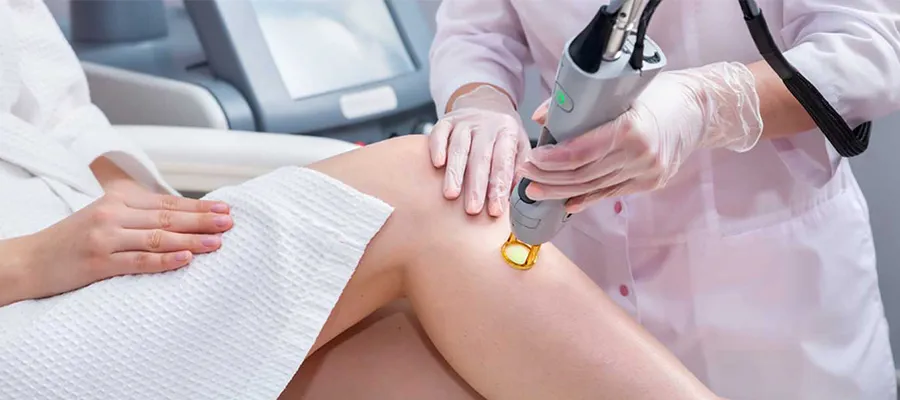
What Is IPL Laser and How Is It Performed?
What Is IPL Laser?
IPL Laser (Intense Pulsed Light) is a treatment that works with “intense pulsed light” technology, delivering controlled light pulses to the skin to achieve aesthetic improvement. Although it is commonly called a “laser,” it is technically different from classic lasers; lasers produce a more targeted beam at a single wavelength, while IPL produces broad-spectrum light that is directed toward the target through different filters. This means a single device can be used for protocols addressing both unwanted hair reduction and skin issues such as spots, redness, and uneven skin tone. The success of IPL depends on using it in the right person for the right purpose. Skin type, hair color and thickness, the type of spot/redness, and the person's sun exposure habits are always evaluated. In hair treatments in particular, a light skin–dark hair combination is more advantageous, while settings are planned more cautiously for very dark skin types or recently tanned skin, where risk may increase. With proper planning, the goal is to achieve gradual improvement and a more balanced appearance over the course of sessions, without overworking the skin.How Does IPL Laser Work?
IPL works on the principle that light energy is absorbed by specific “target structures” in the skin. In hair treatments, the target is mostly the melanin pigment in the hair follicle; when the light is absorbed by melanin, it converts into heat energy and helps weaken follicle activity. This is why the darker the hair color and the more distinct the hair follicle, the easier it is for the light to “find” its target — which is also why the effect may be limited on light-colored hair. Sessions are spaced apart because of the hair growth cycle; at each session, hairs that are in the active growth phase are targeted more effectively. In treatments focused on evening out skin tone or targeting spots/redness, the targets are structures such as melanin accumulation (spots) and hemoglobin (the appearance of capillaries/redness). The filter, pulse duration, and energy level are set individually according to skin type and the problem being treated. After treatment, brief redness, a mild sensation of warmth, or tiny crusting may be seen; this is related to the skin entering a controlled renewal process. For the best results, sun protection, a proper session plan, and a non-irritating skincare routine all support the process.Which Areas Can IPL Laser Be Applied To?
IPL laser can be applied to different areas depending on whether the goal is hair reduction or improving the skin's appearance; which area is treated for which purpose is planned according to skin type and expectations.- Face (upper lip, chin, cheeks; also treatments focused on spots/redness)
- Neck and décolletage (uneven tone, redness, the appearance of photoaging)
- Underarms (hair reduction goal)
- Arms and legs (large-area hair treatments)
- Bikini area (hair reduction goal)
- Back and chest (mainly hair-focused treatments)
- Back of the hands (sun spots and the appearance of photoaging)
- Shoulders and upper back (depending on the need for spot/redness treatment)
What Is IPL Laser Used For?
IPL Laser (intense pulsed light) is most commonly used for reducing unwanted hair and improving the skin's appearance. In hair treatments, it targets the melanin pigment in the hair follicle to weaken follicle activity; as sessions progress, the goal is for hair to grow back sparser, finer, and more slowly. Better results are often achieved with a light skin–dark hair combination because the light is more easily absorbed by melanin. In skin-focused IPL protocols, the goal is to lighten the appearance of spots, reduce redness and the appearance of capillaries, even out skin tone, and generally achieve a brighter, more radiant appearance. Filter and pulse settings are personalized according to the type of spot, the intensity of redness, and skin type. With regular sessions, the aim is to reduce tonal differences in the skin, achieve a smoother-looking surface, and create a “healthier” skin feel.Is IPL Laser the Same as Laser Hair Removal?
IPL and laser hair removal are not the same thing; the main difference lies in the structure of the light used. Laser hair removal devices produce a more targeted form of energy at a single wavelength, while IPL produces broad-spectrum light pulses (containing multiple wavelengths) that are directed toward the target through filters. Because of this, laser hair removal works in a more “focused” way, while IPL is considered a system that can be adapted to different goals mainly through settings and filter combinations. In practice, this difference affects expected results and candidate selection. Laser hair removal often offers a stronger and more selective approach to targeting the hair follicle, while IPL can be a “multi-purpose” option since, besides hair reduction, it can also be used for skin issues such as spots and redness. Which method is more suitable should be assessed based on skin type, hair color and thickness, the target area, and the person's sensitivity/risk profile.How Many Sessions of IPL Laser Are Needed?
The number of sessions in IPL treatment varies depending on whether the goal is hair reduction or skin renewal/spot-redness treatment, as well as the person's skin type and hair structure. In hair treatments, sessions are generally planned at certain intervals, because hairs are in different growth phases and each session targets the hairs that are in the active phase more effectively. For this reason, it is not realistic to expect a permanent result from a “single session”; the process progresses over multiple sessions. In skin-focused IPL protocols, the number of sessions varies depending on factors such as the type of spot, how widespread the redness is, the skin's renewal rate, and sun exposure. Some people show noticeable brightening after just a few sessions, while others require a more controlled, gradual plan. The most accurate session plan is created after the goals are clarified at the first assessment, and it can be updated according to the skin's response as sessions progress.Who Is IPL Laser Suitable For?
IPL laser can be planned for people who aim to improve hair reduction or skin issues such as spots/redness, and whose skin type and goals are suitable. Suitability is determined by evaluating skin color, tanning status, and hair color/follicle structure in terms of safety and effectiveness.- People with light–medium skin who are aiming for hair reduction
- People with dark-colored, distinct hair structure (this may be advantageous for hair-focused treatment)
- People who want to lighten the appearance of sun spots/uneven tone (in a suitable skin type)
- People aiming to reduce redness or the appearance of capillaries (with a suitable indication)
- People who want a non-surgical, session-based, gradual improvement
- People who can commit to regular session follow-up and sun protection
- People with no active infection/irritation on the skin and who are found suitable at assessment
Does IPL Laser Hurt?
The sensation felt during IPL laser is, for most people, a brief sting similar to a “rubber band snap,” along with a mild increase in warmth. The level of discomfort varies depending on the treated area (the face tends to be more sensitive, while areas like the legs may be more tolerant), hair density, hair color, and the energy settings used on the device. When the hair color is dark and the follicle is distinct, the light finds its target more clearly, so some people may feel this more; conversely, the sensation may be lower with fine, sparse hair. Sensitivity may also increase in people with generally higher skin sensitivity, or those undergoing treatment during periods of increased sensitivity such as menstruation. To increase comfort, IPL devices often include a cooling tip/cooling system, which significantly reduces the sensation of heat during treatment. Properly cleansing the skin beforehand and, if necessary, planning sensitivity-reducing methods (according to the clinic's protocol) can make the procedure more comfortable. Mild redness, a feeling of warmth, or sensitivity that may last a few hours after the session is generally considered normal and usually settles quickly in most people. If the sensation is more intense than expected, this often indicates that the settings need to be re-optimized for the skin type, and subsequent sessions can be planned to be more comfortable.Is IPL Laser Permanent?
IPL laser is not a method that promises a “completely permanent” result after a single session; the more accurate expectation is gradual reduction and control as sessions progress. In hair-focused treatments, IPL aims to weaken follicle activity by targeting the hair follicle; however, since hair growth occurs in different cycles, the same hairs are not targeted at every session. For this reason, sessions are planned at certain intervals, and as the process continues, hair is expected to grow back later, sparser, and finer. Still, factors such as genetics, hormonal fluctuations, age, and lifestyle can affect the tendency of hair to regrow, so some people may need occasional maintenance sessions. In skin renewal or spot/redness-focused IPL protocols, permanence also depends closely on the underlying cause of the problem and the person's skincare habits. For example, in skin prone to sun spots, the brightening and even tone achieved may gradually fade again over time without regular sun protection. Likewise, even if improvement is achieved in the appearance of redness/capillaries, the look may become more pronounced again if the triggering factors (excessive sun, intense heat, products that increase sensitivity) continue. Therefore, the most important factor in making IPL's effect “lasting” is maintaining results through the right candidate selection, the right session plan, and a regular post-treatment skincare routine that protects the skin.Can IPL Laser Be Done in Summer?
Yes, IPL laser can also be performed in summer; however, since sun exposure and the risk of tanning increase during the summer months, the treatment must be planned more carefully. Because IPL works with light energy, when the amount of melanin in the skin rises (i.e., when the skin tans), the risk of side effects may increase; this can set the stage for unwanted issues such as redness, spotting, or sensitivity. For this reason, the most critical point for people considering IPL in summer is strict sun protection before and after the procedure; regular and correct sunscreen use, physical precautions such as hats/protective clothing, and avoiding direct sun exposure determine the safety of the process. If there are plans for vacation, time at the beach/pool, or extended time outdoors during summer, the session schedule should be arranged around this routine. Treatment is often postponed on recently tanned skin, or energy settings are chosen more cautiously; it is also important to avoid activities that heat the skin (Turkish bath/sauna, very hot showers, intense cardio) in the first days after treatment. In short, IPL can be performed in summer, but it should not be treated as a “season-independent” procedure; protective measures should be applied more strictly in summer for the best results and lowest risk.Can IPL Laser Be Applied to the Face?
IPL laser can be applied to the face and is a frequently preferred option, especially for skin issues such as spots, redness, uneven tone, and certain vascular appearances. It can also be applied for unwanted hair on the face; however, since the face is both a more sensitive area and more affected by hormonal influences, candidate selection and settings planning must be carried out much more carefully. For example, in areas such as the upper lip, chin, and cheeks, hair structure, skin color, and the person's sensitivity are assessed to determine personalized filter and energy settings. After IPL on the face, brief redness, mild swelling, or a warm sensation may occur; this is usually temporary and the skin settles within a few hours to a few days. In spot-focused treatments, some spots may temporarily darken before fading from the surface, creating a “transitional” appearance; this is usually part of the skin's renewal process. Since the facial area is more exposed to the sun, sun protection after the procedure and a non-irritating skincare routine help results recover faster and appear more even.How Long Does IPL Laser Take?
The duration of IPL laser depends on the size of the area being treated, the targeted issue (hair or spots/redness), the device's operating protocol, and any additional preparation needed during the session. A small area (such as the upper lip or chin) can usually be completed quickly, while larger areas such as the legs or back take longer. In addition, for spot/redness-focused work on the face, the time may vary from person to person, since a more thorough, even pass over the area and monitoring the skin's reaction may be required. The total duration of the procedure is not determined solely by the “treatment time”; cleansing the skin before the session, applying gel if needed, using eye protection, adjusting device settings for the skin type, and brief soothing steps after the session are all part of the overall time. For this reason, some sessions take just a few minutes, while the total time spent at the clinic may be longer for others. The most accurate duration is determined individually once the area and purpose of treatment have been clarified.IPL Laser Prices 2026
IPL laser prices in 2026 may vary depending on the size of the area to be treated, the number of sessions, whether the goal is hair reduction or skin issues such as spots/redness, the technology of the device used, and the clinic's service standards. Pricing can differ between small areas such as the face and larger areas such as the legs or back, and the filters used and session scope in skin renewal protocols can also affect the cost. In addition, since the session plan is personalized according to the person's skin type, hair structure, and targeted result, a “one package for everyone” approach is usually not accurate. The most accurate pricing information becomes clear once the treatment area and goal have been determined, the skin type has been assessed, and safe settings have been planned. For this reason, pricing is usually shaped individually after an initial examination/assessment and planned together with the session schedule. For detailed information and appointments, you can reach us at 0 (532) 324 94 54.Frequently Asked Questions
Does IPL laser give a completely permanent result?
IPL laser does not guarantee a completely permanent result; with sessions, the goal is a noticeable reduction, thinning, and sparsening of hair, but maintenance sessions may be needed over time due to factors such as genetics, hormones, age, and lifestyle. “Long-term control” is a more accurate expectation for hair; in skin treatments as well, maintaining results depends on sun protection and a consistent skincare routine.Is IPL laser or a true laser more effective?
In general, “true laser” (single-wavelength, more targeted laser hair removal systems) can provide a stronger and more consistent result in terms of selectively targeting the hair follicle; IPL, since it works with broad-spectrum light, is more dependent on settings/filters, but offers a different advantage since it can also be used for skin issues such as spots and redness in addition to hair reduction. Which one is more effective should be assessed according to skin type, hair color and thickness, the target area, and safety criteria.When does hair fall out after IPL laser?
Hair usually does not fall out immediately after IPL; after the follicle is weakened, hair tends to shed on its own within 1–3 weeks, and during this time it may appear as if the hair is growing before it sheds. The rate of shedding varies according to the area, the hair's growth phase, and the treatment settings; therefore, the same amount of shedding may not be seen after every session.Does IPL laser burn the skin?
When performed on the right skin type, with the right settings, and by an expert, the goal of IPL is not to burn the skin; a controlled heat effect is created, and temporary redness/warmth is generally expected. However, treatment on tanned skin, incorrect energy selection, or performing the procedure when the skin is sensitive can increase the risk of burns, blistering, or spotting; for this reason, assessment, a test pulse, and post-treatment care rules are critical for safety.At what age can IPL laser be performed?
There is no single “exact age” rule for IPL; the decision to treat is assessed according to the person's skin-hair structure, needs, and, especially during adolescence, the process of hormones settling. If there is a hair growth concern at a younger age, planning is done with underlying hormonal causes in mind; the most accurate approach is to create a safe, realistic session plan through expert assessment.Can you go in the sea after IPL laser?
Going into the sea right after IPL is generally not recommended, because salt water, sun, and heat can irritate the skin, prolong redness, and increase the risk of spotting. Strict sun protection is required, especially in the first few days; for people with beach/pool plans, session timing should be arranged around their vacation schedule, and the skin should be allowed to settle for as long as the doctor/specialist recommends.Is IPL laser effective for hormonal disorders?
In cases of hormonal disorder, IPL can help reduce hair; however, if the hormonal imbalance continues, the tendency for hair growth may not completely stop, and more frequent maintenance sessions may be needed. For this reason, if a hormonal issue is suspected, it is more realistic to proceed alongside medical evaluation and to set expectations around “reduction and control” rather than “complete elimination.”Does IPL laser work for men?
Yes, IPL can also work for men; it can be applied especially on areas such as the back, chest, and shoulders for hair reduction. However, since hair structure in men can be thicker and denser, the session plan, energy settings, and number of sessions vary by individual; in addition, assessment must be more careful in areas with high hormonal sensitivity, such as the beard area.Does hair grow back thicker after IPL laser?
In the right candidate and with the right protocol, the goal of IPL is not to thicken hair; with sessions, hair is expected to become thinner and sparser. However, in certain facial areas or areas with high hormonal sensitivity, incorrect indication/incorrect settings can set the stage for unwanted outcomes resembling “paradoxical hair growth,” so candidate selection and device settings must be handled very carefully, especially on the face.How many weeks apart are IPL laser sessions?
The interval between IPL sessions is generally planned according to the area and the hair growth cycle; the goal is to target hairs in the active growth phase at each session, so sessions are neither done “too frequently with short intervals” nor “too rarely with very long intervals” — a rhythm suited to the individual is determined. The most accurate session interval is planned by the specialist according to the treatment area, hair density, and skin response, and can be updated as needed as sessions progress.IPL Laser Prices 2026
IPL Laser prices can vary depending on several factors, including the type of product or device used, the size of the treatment area, the experience of the physician performing the procedure, and the clinic's location. For detailed pricing and to book an appointment, you can reach us at +90 (532) 324 94 54.
When Is IPL Laser Recommended?
IPL Laser is one of the most effective and safe dermatological solutions offered by modern medicine, providing a targeted intervention for correcting skin deformations, signs of aging, or clinical concerns.
How Is IPL Laser Performed, Step by Step?
IPL Laser is carried out at our clinic following a sterile, comfortable protocol tailored to each patient:
Aftercare Notes
- Avoid getting the treated area wet or rubbing it for the first 24 hours.
- Do not apply makeup to the injection sites or treatment area.
- Avoid saunas, steam rooms, tanning beds, and intense sun exposure for the first 3 days.
- Drink plenty of water and avoid using any skincare products other than those recommended by your doctor.
Who Is a Suitable Candidate?
- Suitable Candidates: Patients over 18 in good general health with realistic expectations.
- Not Recommended For: Pregnancy and breastfeeding, areas with active skin infection, uncontrolled autoimmune conditions, and known allergies to the relevant ingredients.
Expert Physician Opinion
Our Expert Dermatology Team
"Our expert dermatology team emphasizes that the goal of IPL Laser is to achieve results that avoid an artificial look and instead work in harmony with the skin's natural texture while supporting facial anatomy. At our clinic, every treatment is individually dosed and planned according to each patient's unique skin structure."
15 Most Common Questions & Answers About IPL Laser
The 15 most searched questions on Google, answered by our expert dermatologists.
1IPL Laser Prices 2026↓
2What Is IPL Laser and How Does It Work?↓
3Who Is a Suitable Candidate for IPL Laser?↓
4How Long Do the Results of IPL Laser Last?↓
5Is IPL Laser Painful? Is Anesthesia Used?↓
6What Should Be Considered Before IPL Laser?↓
7What Is the Aftercare and Recovery Process Like Following IPL Laser?↓
8When Do the Effects of IPL Laser Become Visible?↓
9Are There Any Side Effects or Risks Associated with IPL Laser?↓
10How Many Sessions of IPL Laser Are Required?↓
11Can IPL Laser Be Combined with Other Aesthetic or Skin Treatments?↓
12Is IPL Laser Safe? Is It FDA or Ministry of Health Approved?↓
13When Can I Return to Daily Life After IPL Laser?↓
14What Are the Advantages of IPL Laser Compared to Other Methods?↓
15Why Should IPL Laser Be Performed by Our Expert Dermatology Team?↓
Book Your IPL Laser Appointment Now
Schedule a personalized, free initial consultation with our expert physicians.
Clinic Contact & Appointment
Fast Information Line
Mon - Sat: 09:00 - 19:00
Nişantaşı / Istanbul
Our Expert Physicians
Dermatology Specialists
All aesthetic procedures and skin analyses are planned individually by your physician.
Clinic Contact Details