Botox
Botulinum toxin injections that relax expression muscles, smoothing dynamic wrinkles for a refreshed appearance.
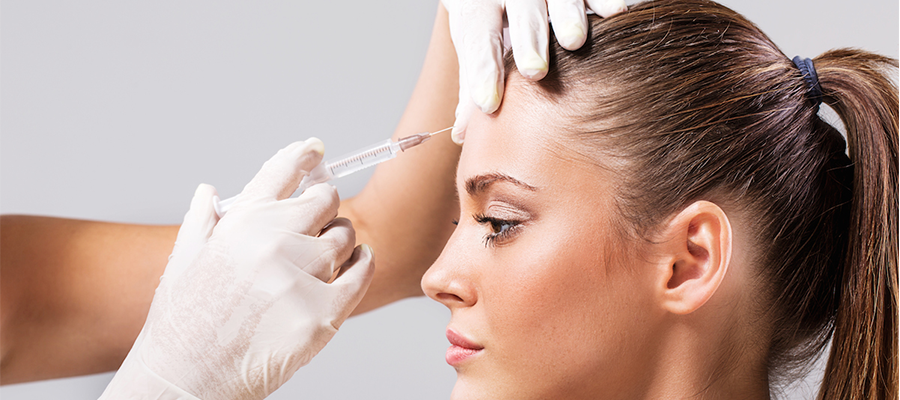
What Is Botox and How Is It Performed?
What Is Botox?
Botox is an aesthetic and medical procedure performed by injecting a special substance called botulinum toxin into the muscles. This toxin temporarily blocks the signals traveling from nerve endings to the muscles, limiting muscle movement. As a result, the wrinkles caused by facial expression muscles are reduced and the skin achieves a smoother appearance. In aesthetics, Botox is most commonly preferred for reducing forehead lines, frown lines between the eyebrows, and wrinkles around the eyes (crow's feet). It can also be applied to soften upper lip lines, neck bands, and muscle tension in the chin area. After the procedure, the face can look more rested, youthful, and natural. Botox is not only used for aesthetic purposes but also for certain medical conditions. It is an effective method in treating conditions such as excessive sweating (hyperhidrosis), migraines, teeth grinding (bruxism), and muscle spasms. The procedure usually takes 10–15 minutes and is performed with small needle injections. Its effect lasts between 3 and 6 months, after which it can be reapplied.What Does Botox Do?
Botox helps reduce the appearance of wrinkles and lines by temporarily stopping the movement of the facial expression muscles. It is one of the most frequently preferred aesthetic procedures for easing the signs of aging on the face. By softening the lines that develop over time in areas where facial expressions are used intensively, such as the forehead, between the eyebrows, and around the eyes, it provides a smoother and more rested facial expression. At the same time, Botox is used effectively not only for aesthetic purposes but also in the treatment of certain medical conditions. In people who suffer from excessive sweating (hyperhidrosis), it can reduce sweating when applied to the areas where the sweat glands are located. In people with teeth grinding (bruxism), Botox injections into the jaw muscles relax the muscles and help bring nighttime clenching under control. It is also a treatment method preferred by some patients to reduce the frequency of migraine attacks.
How Many Days Does It Take for Botox to Settle?
Botox treatment generally starts to take effect from the 3rd day onward. It takes an average of 7 to 14 days for it to fully settle. This process can vary from person to person, but most people begin to notice a visible difference within the first week. After the procedure, muscle movement gradually decreases. A slight softening of wrinkles can be observed within the first few days, but the actual results usually become clear at the end of the first week. The most ideal, fully settled appearance emerges around day 10.Which Is Better, Filler or Botox?
The answer to the question of whether filler or Botox is better depends on the individual's needs and the desired outcome. This is because Botox and filler are two separate aesthetic procedures that serve different purposes. Therefore, which one is "better" is assessed according to the specific goal. Botox reduces wrinkles by temporarily halting the movement of the facial expression muscles. It is particularly suitable for dynamic (movement-related) lines such as forehead lines, frown lines, and wrinkles around the eyes. By temporarily limiting muscle activity, it provides a smoother, more youthful appearance. Filler, on the other hand, is used to add volume beneath the skin. Fillers, usually containing hyaluronic acid, are injected into areas that lose volume over time. They are effective in areas with volume loss such as lip augmentation, cheek enhancement, nasolabial lines (nose-to-mouth folds), the jawline, and under the eyes. They are also preferred for smoothing static wrinkles (those not related to facial movement). In short:- Botox is preferred to reduce wrinkles and relax the facial expression muscles.
- Filler is used to shape facial contours and address volume deficiencies.
How Long Does Botox Last?
Botox typically lasts between 3 and 6 months. The duration of effect can vary depending on individual factors and the area treated. In first-time treatments, the effect usually lasts around 3-4 months, while this period can extend over time in people who have it done regularly. Muscle structure, age, skin type, lifestyle, and intensive use of facial expressions are the main factors affecting how long Botox lasts. For example, in people who use their facial expressions very frequently, Botox may lose its effect sooner. Similarly, factors such as smoking, high stress, and irregular sleep can also shorten the duration of the effect.Who Should Not Have Botox?
Botox is generally a safe procedure, but it is not recommended in certain situations. Here are the people for whom Botox should not be applied:- Pregnant and breastfeeding women: Since the safety of Botox during pregnancy and breastfeeding has not been proven, it is not applied during this period.
- People with muscle disorders (such as Myasthenia Gravis): Botox can cause serious side effects in diseases that affect the muscular and nervous system.
- People allergic to Botox: It is not reapplied to those who have previously experienced an allergic reaction after Botox.
- Areas with infection or inflammation: If there is a skin infection, it must first be treated before Botox can be performed.
- People using blood-thinning medication: The risk of bruising increases in these individuals. Any medication use must always be reported to the doctor before the procedure.
- People who have had facial paralysis or nerve damage: Botox is carefully evaluated in people who have previously had problems with their facial muscles.
- People with a severely allergic constitution: Botox can be risky for people with multiple drug allergies or autoimmune diseases.
Which Areas Can Botox Be Applied To?
Botox can be applied to many areas for both aesthetic and medical purposes. Here are the main areas where Botox can be performed: Facial Area (Aesthetic Purposes)- Forehead lines: One of the most commonly treated areas for eliminating horizontal wrinkles.
- Between the eyebrows (glabellar lines): Applied to reduce the "frowning" appearance.
- Around the eyes (crow's feet): Preferred for lines that become more noticeable when smiling.
- Sides of the nose (bunny lines): Botox can be applied for the lines that form at the sides of the nose when smiling.
- Upper lip lines (smoker's lines): Applied to soften fine lines around the lips.
- Corners of the mouth (downturned appearance): Botox can be used to lift the corners of the mouth.
- Chin (orange-peel appearance): Helps correct the dimpled appearance of the chin.
- Neck (platysma bands): Can be applied for vertical neck lines and the submental (under-chin) area.
- Underarms, palms, soles of the feet, scalp, genital area: Effective in the treatment of excessive sweating (hyperhidrosis).
- Teeth grinding (bruxism): Teeth grinding is reduced by applying Botox to the jaw (masseter) muscles.
- Migraine treatment: Botox applied to the head, forehead, nape, and temple areas helps ease migraine attacks.
- Gummy smile (when too much gum shows): A more aesthetic smile is achieved by preventing the upper lip from rising too much.
- Can also be used in the treatment of rosacea, scars, and marks.
Can It Be Used in Migraine Treatment?
Yes, Botox can be used in the treatment of migraine. It is applied as an effective treatment method, particularly in chronic migraine patients, meaning those who experience headaches on more than 15 days per month. Botox is injected into specific muscles in the head, neck, and forehead area to reduce the frequency and severity of migraine attacks. During this procedure, nerve endings are temporarily blocked and tension in the muscles is reduced. This prevents the muscle contractions that contribute to the occurrence of pain. Although it does not completely eliminate migraine attacks, regular Botox treatments can significantly reduce the frequency of pain and the duration of attacks. Migraine treatment with Botox is usually applied over several sessions. While some patients notice an effect after the first session, others experience significant benefit after the 2nd or 3rd treatment. It generally needs to be repeated at intervals of 3 to 6 months.Botox Prices 2026
In 2026, Botox prices in Turkey vary depending on the treatment area, dosage, and clinic characteristics. Here is the current information: In Turkey, Botox fees generally start from 6,500 TL. This price applies to common areas such as the upper face (forehead, between the eyebrows, around the eyes) and may vary between clinics. There are many factors that affect the price:- The number and scope of areas treated
- The type of product used (Botox®, Dysport®, Xeomin®)
- Package services (consultation, follow-up, local anesthesia, etc.)
Frequently Asked Questions
Do Wrinkles Increase After the Effect of Botox Wears Off?
Studies have shown that people who undergo any aesthetic procedure quickly get used to their new appearance and, after about a week, no longer remember how they looked before. This is often the reason behind the complaint we sometimes hear after the Botox effect wears off — our dear patients simply want to forget how they looked previously. We address this by showing our patients their before-and-after photos, explaining what we mean and helping them understand.What Are the Side Effects of Botox?
Botox is generally a safe procedure. However, as with any medical application, some side effects can occur. Here are the most common side effects seen after Botox:- Redness: Temporary redness may occur in the treated area.
- Swelling and mild bruising: May occur at the needle entry points and usually resolves quickly.
- Tenderness or pain: Mild discomfort may be felt after the procedure.
- Headache: May last a few days, especially when the forehead area is treated.
- Eyelid drooping (ptosis): Most commonly seen after Botox to the forehead and between the eyebrows. It is usually temporary.
- Eyebrow asymmetry: Can occur due to dose imbalance or differences in facial expression.
Is Botox Harmful to the Body?
As our dear patients know, too much of anything is never a good thing. Joking aside, Botox applied in excess of what is needed does cause harm in the sense that it can create an unwanted, artificial look. As for whether Botox is harmful as a medication — the answer is certainly no, because Botox proved its safety a long time ago and is an approved medication. To put your mind at ease, here are a few examples: doses far higher than the ones we use have been safely administered for years to infants with congenital neck muscle stiffness and to patients with spasticity (muscle stiffness). So you can rest assured — and if you'd like even greater peace of mind, feel free to ask your doctor which brand they use and to see the product itself.How Many Months Should There Be Between Two Botox Sessions?
It is generally recommended to wait 4 to 6 months between two Botox treatments. Although the effect of Botox varies from person to person, on average it begins to diminish from the 3rd month onward and disappears completely around the 6th month. Therefore, the most suitable time for a new treatment is the period when the effects have diminished but have not completely worn off. In some people, factors such as muscle structure, intensity of facial expressions, age, and lifestyle can make the effect of Botox last shorter or longer. In first treatments, the duration of effect is usually somewhat shorter, while this period can extend after regular Botox treatments. This can, over time, increase the interval between repeat injections. Having Botox done too frequently is not advisable. Applying it earlier than necessary can cause unnecessary weakening of the muscles and negatively affect natural facial expression. Therefore, rather than repeating the treatment before the effect has worn off, waiting for the ideal interval is more appropriate for both aesthetic results and skin health.Can Botox and Filler Be Done at the Same Time?
Let's say the wrinkles in expressive areas such as the forehead, around the eyes, and above the lips have become quite deep and set. In this case, both Botox and filler can be applied to these areas, either at the same time or 15 days apart.Botox Prices 2026
Botox prices can vary depending on several factors, including the type of product or device used, the size of the treatment area, the experience of the physician performing the procedure, and the clinic's location. For detailed pricing and to book an appointment, you can reach us at +90 (532) 324 94 54.
When Is Botox Recommended?
Botox is one of the most effective and safe dermatological solutions offered by modern medicine, providing a targeted intervention for correcting skin deformations, signs of aging, or clinical concerns.
How Is Botox Performed, Step by Step?
Botox is carried out at our clinic following a sterile, comfortable protocol tailored to each patient:
Aftercare Notes
- Avoid getting the treated area wet or rubbing it for the first 24 hours.
- Do not apply makeup to the injection sites or treatment area.
- Avoid saunas, steam rooms, tanning beds, and intense sun exposure for the first 3 days.
- Drink plenty of water and avoid using any skincare products other than those recommended by your doctor.
Who Is a Suitable Candidate?
- Suitable Candidates: Patients over 18 in good general health with realistic expectations.
- Not Recommended For: Pregnancy and breastfeeding, areas with active skin infection, uncontrolled autoimmune conditions, and known allergies to the relevant ingredients.
Expert Physician Opinion
Our Expert Dermatology Team
"Our expert dermatology team emphasizes that the goal of Botox is to achieve results that avoid an artificial look and instead work in harmony with the skin's natural texture while supporting facial anatomy. At our clinic, every treatment is individually dosed and planned according to each patient's unique skin structure."
15 Most Common Questions & Answers About Botox
The 15 most searched questions on Google, answered by our expert dermatologists.
1Botox Prices 2026↓
2What Is Botox and How Does It Work?↓
3Who Is a Suitable Candidate for Botox?↓
4How Long Do the Results of Botox Last?↓
5Is Botox Painful? Is Anesthesia Used?↓
6What Should Be Considered Before Botox?↓
7What Is the Aftercare and Recovery Process Like Following Botox?↓
8When Do the Effects of Botox Become Visible?↓
9Are There Any Side Effects or Risks Associated with Botox?↓
10How Many Sessions of Botox Are Required?↓
11Can Botox Be Combined with Other Aesthetic or Skin Treatments?↓
12Is Botox Safe? Is It FDA or Ministry of Health Approved?↓
13When Can I Return to Daily Life After Botox?↓
14What Are the Advantages of Botox Compared to Other Methods?↓
15Why Should Botox Be Performed by Our Expert Dermatology Team?↓
Book Your Botox Appointment Now
Schedule a personalized, free initial consultation with our expert physicians.
Clinic Contact & Appointment
Fast Information Line
Mon - Sat: 09:00 - 19:00
Nişantaşı / Istanbul
Our Expert Physicians
Dermatology Specialists
All aesthetic procedures and skin analyses are planned individually by your physician.
Clinic Contact Details